
The first time I made Caribbean green seasoning, I honestly didn’t expect much. Just herbs and garlic, right? But wow, I remember tasting it straight from the blender and thinking, this changes everything.
If your meals ever feel a little flat, this is the fix. It’s fresh, punchy, and ridiculously easy to make. I started using it for chicken, then veggies, then pretty much everything in my fridge.
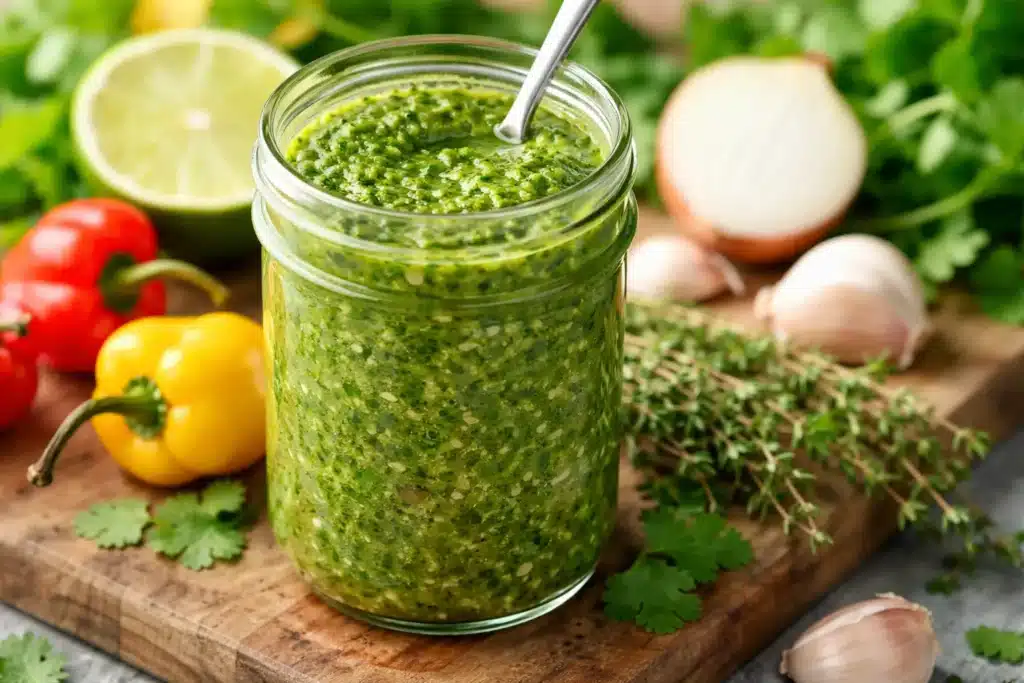
Table of Contents
Table of Contents
What Is Caribbean Green Seasoning?
Caribbean green seasoning is a blended mix of fresh herbs, aromatics, and peppers. It’s used as a marinade or base for cooking across many Caribbean islands.
It usually includes green onions, garlic, thyme, cilantro, peppers, and some acid like lime juice or vinegar. Every version is slightly different, which honestly makes it more fun to experiment.
Think of it as your go-to flavor starter. Once it’s in your fridge, you’ll reach for it constantly.
Ingredients You’ll Need
Here’s the version I keep coming back to after a few trial-and-error batches (yes, I definitely overdid the thyme once—it was intense).
- Green onions (scallions)
- Garlic
- Onion
- Bell pepper
- Fresh cilantro (or parsley)
- Fresh thyme
- Hot pepper (Scotch bonnet or habanero)
- Lime juice
- Vinegar
- Salt
Optional: ginger and celery for extra depth.
How to Make Caribbean Green Seasoning
This is one of those recipes where simple is best.
Start by washing everything really well—herbs can carry dirt, and I learned that the hard way. Roughly chop your ingredients so the blender doesn’t struggle.
Add everything to a blender or food processor, but go easy on the liquid at first. Pulse instead of fully blending—you want a slightly chunky texture, not a smoothie.
Taste it. Adjust salt, lime, or heat until it feels right. Then store it in a sealed jar in the fridge.
Tips From My Kitchen (Learned the Hard Way)
- Don’t over-blend: It turns watery fast.
- Go easy on thyme: A little goes a long way.
- Control the heat: Start small with hot peppers.
- Freeze leftovers: Ice cube trays work perfectly.
One small trick that helped me—use it the next day. The flavor gets even better overnight.
Ways to Use It
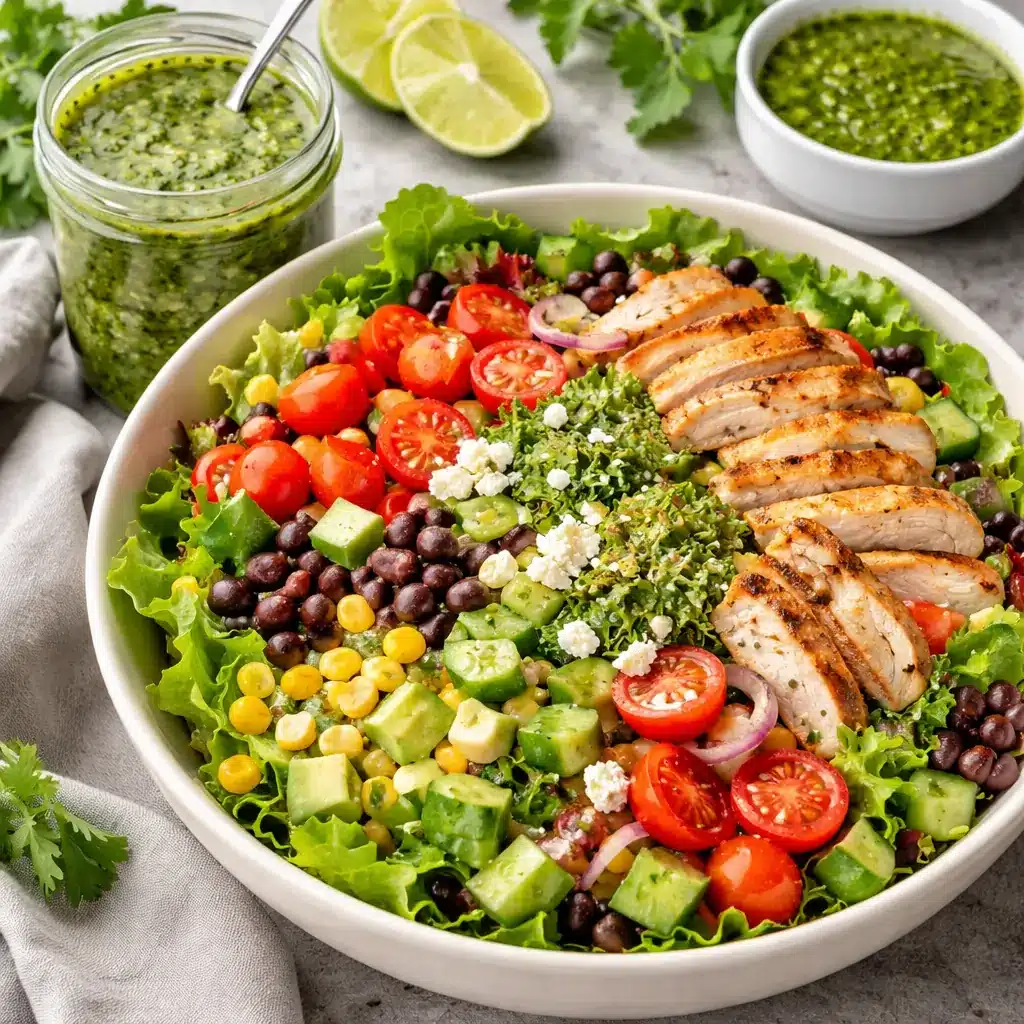
This is where things get fun. I’ve used this seasoning on:
- Grilled or baked chicken
- Roasted vegetables
- Rice and beans
- Soups and stews
At one point, I even mixed it into scrambled eggs. Not traditional, but honestly? Pretty good.
Why You’ll Love It
Besides the flavor, it’s just a healthier option overall. No preservatives, no weird additives—just real ingredients.
It’s low in calories, packed with herbs, and super versatile. Once you make it, store-bought marinades start to feel a bit… boring.
Conclusion
Caribbean green seasoning is one of those simple recipes that quietly upgrades your cooking. It’s fresh, flexible, and easy to customize.
If you’ve been stuck cooking the same flavors over and over, try this. You can also explore more ideas like this in my salad dressing collection to keep your meals exciting. Start with a small batch, tweak it to your taste, and see how it transforms your meals.
And if you end up putting your own twist on it, I’d love to hear what you added—seriously, that’s how the best versions are made.
Caribbean Green Seasoning
Ingredients
- 1 bunch green onions scallions, chopped
- 4 –6 cloves garlic
- 1 small onion chopped
- 1/2 bell pepper chopped
- 1 cup fresh cilantro or parsley
- 4 –5 sprigs fresh thyme
- 1 hot pepper Scotch bonnet or habanero, adjust to taste
- Juice of 1 lime
- 2 –3 tablespoons vinegar
- Salt to taste
Optional:
- 1 teaspoon fresh ginger chopped
- 1 stalk celery chopped
Instructions
- Wash all herbs and vegetables thoroughly.
- Roughly chop the green onions, onion, bell pepper, and herbs.
- Add all ingredients to a blender or food processor.
- Pulse until combined but still slightly chunky (do not over-blend).
- Taste and adjust salt, lime juice, or pepper as needed.
- Transfer to a clean glass jar and store in the refrigerator.
Notes
- Store in the fridge for up to 1 week.
- Freeze in ice cube trays for longer storage.
- Adjust heat level by reducing or increasing hot pepper.
- Avoid adding too much liquid to keep a thick consistency.